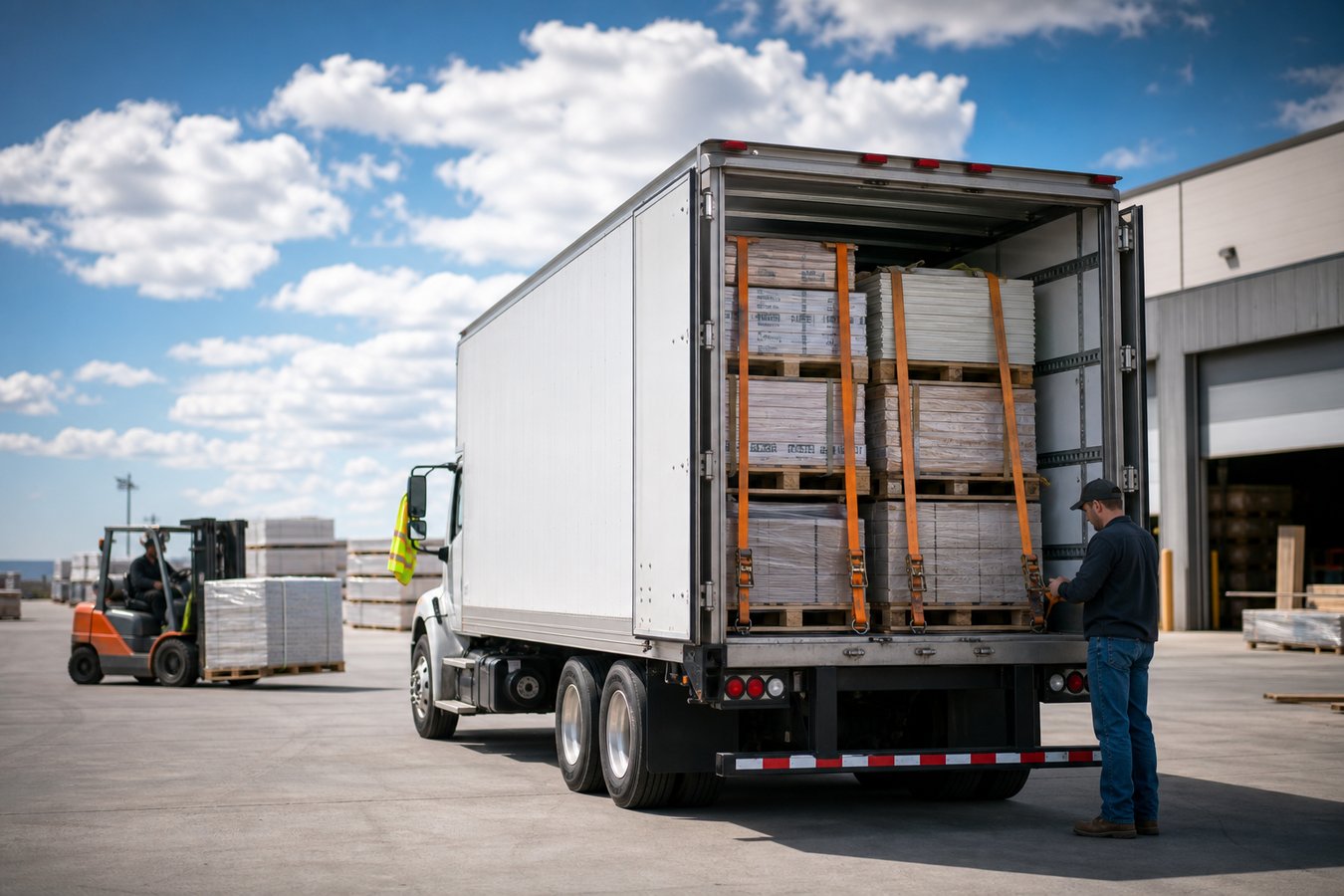
A safe trip starts before the truck ever hits the road. Proper cargo loading and securement play a major role in vehicle handling, braking, and overall stability. When freight is loaded incorrectly or isn’t properly secured, it can shift during transit, creating dangerous conditions for the driver and everyone else on the road.
Whether you’re hauling palletized freight, equipment, building materials, or specialized loads, taking the time to properly load, inspect, and secure your cargo can help prevent crashes, damaged freight, and injuries.
Understanding Cargo Shift Risks
Even a small shift in weight can affect vehicle stability and control. When cargo moves, it can change the vehicle’s center of gravity, making it more difficult to steer, brake, and maintain control.
Sudden movement within a load can be especially dangerous during turns, lane changes, or emergency maneuvers. Cargo shift can lead to reduced steering control, increased rollover risk, longer stopping distances, damaged freight, and falling cargo hazards during unloading.
Proper Tie-Down Techniques
Securing cargo correctly helps prevent movement during acceleration, braking, and turning. Before hitting the road, drivers should:
- Inspect straps, chains, and binders before use
- Use the correct number of tie-downs
- Make sure anchor points are secure and undamaged
- Recheck cargo securement during scheduled stops
- Replace damaged securement equipment immediately
Cargo securement isn’t just a pre-trip responsibility. Loads should be checked throughout the trip to make sure everything remains properly positioned and secure.
Weight Distribution Matters
How cargo is positioned is just as important as how it is secured. Proper weight distribution improves vehicle handling, braking performance, and overall stability. Uneven loading can place excessive stress on equipment and increase the likelihood of an accident.
Drivers should distribute weight evenly whenever possible, avoid overloading axles or equipment, confirm cargo placement before departure, and always follow vehicle weight restrictions.
Preventing Injuries During Loading
Safe loading also means protecting yourself. Loading and securement activities often involve lifting, pulling, reaching, and climbing, which can increase the risk of shoulder strains, sprains, and other injuries.
Use your legs when lifting instead of your back or shoulders, avoid sudden twisting movements, ask for assistance with heavy or awkward items, maintain three points of contact when climbing, and stretch before physically demanding tasks.
A Secure Load Is a Safer Load
Proper loading and cargo securement protect more than the freight. They help protect drivers, equipment, and everyone sharing the road.
Before every trip, take the time to confirm that cargo is properly positioned, secured, and ready for the road. A few extra minutes before departure can help prevent serious problems later.